


List of Hotel
-
Tuy Hoa Beach Hotel
Regular price 600.000₫Regular price -
Thom Mountain Ecolodge Phu Yen
Regular price 1.500.000₫Regular price -
Hong Hac Hotel Tuy Hoa
Regular price 400.000₫Regular price -
GREEN-TREE Homestay Tuy Hoa
Regular price 450.000₫Regular price -
TUY HOA CASA
Regular price 500.000₫Regular price -
Nile Hotel Phu Yen
Regular price 650.000₫Regular price -
Joy House Phu Yen
Regular price 400.000₫Regular price -
SATURDAY Homestay Tuy Hoa - Phu Yen
Regular price 1.200.000₫Regular price -
Hoang Kim Hotel Tuy Hoa
Regular price 400.000₫Regular price -
Kings House Apec Condotel Phu Yen
Regular price 800.000₫Regular price -
Ghenh Da Dia Retreat Hotel
Regular price 1.200.000₫Regular price -
Daisy House Tuy Hoa
Regular price 300.000₫Regular price -
Paradise Hotel Phu Yen
Regular price 350.000₫Regular price -
LANG MAM Homestay
Regular price 800.000₫Regular price -
Ngan Ha Hotel Tuy Hoa
Regular price 350.000₫Regular price -
Hiep Thanh Hotel Tuy Hoa
Regular price 300.000₫Regular price -
Rosa Alba Resort & Villas Tuy Hoa
Regular price 2.500.000₫Regular price -
Quynh Trang Hotel Tuy Hoa
Regular price 500.000₫Regular price -
HAKU Boutique Hotel Tuy Hoa
Regular price 800.000₫Regular price -
Seven Retreat House Ganh Da Dia station
Regular price 1.200.000₫Regular price -
Rome Hostel Tuy Hoa
Regular price 450.000₫Regular price -
Trại Hoa Vàng Homestay in Phú Yên
Regular price 400.000₫Regular price -
Ivory Phu Yen Hotel
Regular price 800.000₫Regular price -
Phi Long Hotel Tuy Hoa
Regular price 350.000₫Regular price










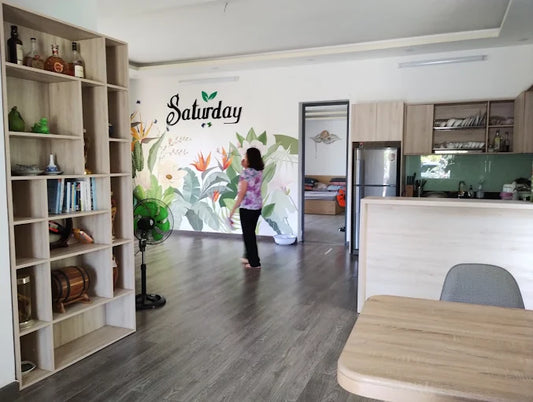










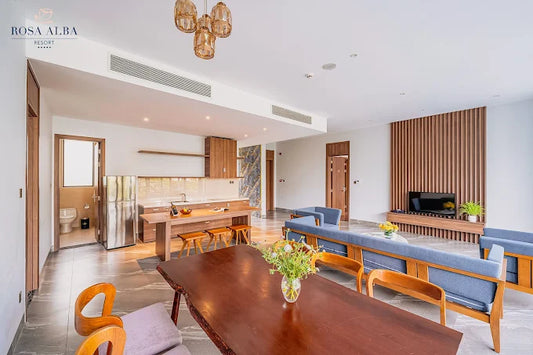








Table of Contents
The Secret to Choosing the Perfect Hotel (For Every Trip)
Have you ever felt overwhelmed scrolling through hundreds, even thousands, of results on booking sites, only to pick a random place and tell yourself, "Oh well, it'll do for now"?

That's a feeling most of us have experienced. But choosing a hotel isn't just about finding a place to sleep; it's about selecting a space that will shape the emotions and experiences of your entire trip. With extensive experience organizing and accompanying travelers on countless journeys, the HDV Local Team understands that choosing a hotel is an art. In this guide, we will share a simple 4-step process to help you go from an amateur to an expert in choosing accommodations for yourself.
Step 1: "Decipher" Your Trip – The Foundation of Every Choice
Before you start searching, answer these three core questions. This is the most crucial step that many people often overlook.

Who are you traveling with?
The style of hotel will completely change based on your travel companions.
- Traveling solo: You might prioritize safety, a central location for easy exploration, or a hostel/homestay to meet new people.
- Traveling with a partner: A romantic boutique hotel, a resort with a private beach, or a room with a beautiful view would be excellent choices.
- Traveling with family (especially with young children): Look for hotels with swimming pools, children's play areas, spacious rooms, or serviced apartments with kitchens.
- Traveling with friends: A villa with communal living spaces, dorm rooms in a hostel, or hotels located near entertainment areas would be more suitable.
What is the purpose of your trip?
What "character" does your trip have?
- "Escape it all" retreat: Look for secluded resorts with full amenities like spas, restaurants, and private beaches so you don't need to go anywhere else.
- Exploration & Adventure: A hotel in a central location, easily accessible by public transport or on foot, is the optimal choice. You won't need too many in-room amenities.
- Business trip: Top priorities are hotels near your workplace, with high-speed Wi-Fi, a desk, and professional room service.
- Cultural and culinary experience: Choose accommodation right in the heart of old quarters or local neighborhoods so that every step out the door is a culinary adventure.
What is your budget?
Clearly define a cost range you're willing to pay per night. This helps you narrow down your search from the start, avoiding wasted time looking at unsuitable options.
Step 2: "Decoding" Common Accommodation Types
Understanding the differences between types will help you find exactly what you need.

Hotel (Traditional Hotel)
This is the most common type, rated by stars (1-5 stars) based on facility and service standards. Suitable for most types of travelers.
Resort
Typically large, located in areas with beautiful scenery (coastlines, mountains) and offering a self-contained ecosystem of amenities: restaurants, swimming pools, spas, play areas, private beaches... Ideal for leisure vacations.
Boutique Hotel
Smaller-scale hotels (usually under 100 rooms) with unique, artistic design and a focus on personalized experiences. An excellent choice for those seeking something distinctive and refined.
Homestay & Guesthouse
Where you stay with or in the home of local residents. Homestays offer authentic, intimate cultural experiences and are often very reasonably priced. Suitable for young people and backpackers.
Serviced Apartment
These are apartments with full amenities such as a living room, kitchen, washing machine... but still include hotel-like cleaning services. A perfect choice for families, groups of friends, or long-term stays.

Step 3: Become a "Detective" of Reviews – Experience from HDV Local
Don't let glamorous photos fool you. Based on our experience booking for thousands of travelers, we advise you to read reviews intelligently.

- Don't just look at the score: A hotel with an 8.5 rating might be better than a 9.0-rated one if its drawbacks don't affect you (e.g., "far from the city center" but you prefer quiet).
- Look for important keywords: Use filters or the search tool within the review section with words like: "clean," "amenities," "noisy," "Wi-Fi," "breakfast," "staff attitude."
- Pay attention to the date of the review: A negative review from two years ago might no longer be accurate, as the hotel could have renovated. Prioritize reading reviews from the last 6 months.
- "Read between the lines" of user photos: Tourist photos are often more authentic than promotional images. Look closely to see the actual condition of the room and facilities.
Step 4: The Art of Hunting Deals and Smart Booking
Once you have a few preferred options, it's time to get the best price.

- Golden booking time: Generally, booking early (1-3 months in advance) will get you better prices. However, sometimes last-minute bookings can also offer surprising deals for vacant rooms.
- Use incognito mode: Some booking websites use cookies to track you and may increase prices if you search multiple times. Turn on incognito mode (or private browsing) in your browser to compare prices objectively.
- The power of direct booking: After finding a suitable hotel on aggregate sites, try visiting the hotel's official website. Once, we encountered a case where direct booking allowed a customer to receive a free room upgrade and a complimentary dinner – something not available through intermediary sites.
- Sign up for memberships and newsletters: Hotels and large hotel chains often have loyalty programs and send exclusive offers via email.
Frequently Asked Questions (FAQ)
Our company has compiled common global questions travelers often ask.

1. Is "breakfast included" really worth the money? If you want convenience and a quick start to your day, hotel breakfast is a good option. However, if you're keen to explore local cuisine, skipping the hotel breakfast to eat out can be a more exciting experience.
2. What's the difference between "Free cancellation" and "Non-refundable"? "Free cancellation" allows you to cancel your booking without charge before a specific deadline. "Non-refundable" is usually cheaper but means you'll lose the entire amount if you cancel. Consider the certainty of your plans before choosing.
3. Should I choose a large chain hotel or an independent hotel? Chain hotels (like Marriott, Hilton, Accor...) ensure a consistent service standard globally. Independent hotels often offer unique and more locally-flavored experiences.
4. Is there a charge for early check-in or late check-out? This depends on each hotel's policy and room availability. There is usually an additional fee. Contact the hotel in advance to inquire about this possibility and the charges (if any).
5. Why do room prices vary on different websites? Room prices depend on agreements between the hotel and each booking site (OTA), as well as exclusive promotions offered by each party. That's why you should compare prices across multiple platforms.
Conclusion
Choosing a hotel is no longer a gamble if you equip yourself with the right methodology. It's a skill that can be learned and honed. HDV Local believes that with this 4-step guide, you can confidently find and select the perfect accommodation, turning every trip into a wonderful memory.
A journey of a thousand miles begins with a single step, and a perfect trip begins with a smart choice. If you need any further advice for your travels, always remember the HDV Local Team as a reliable companion.


